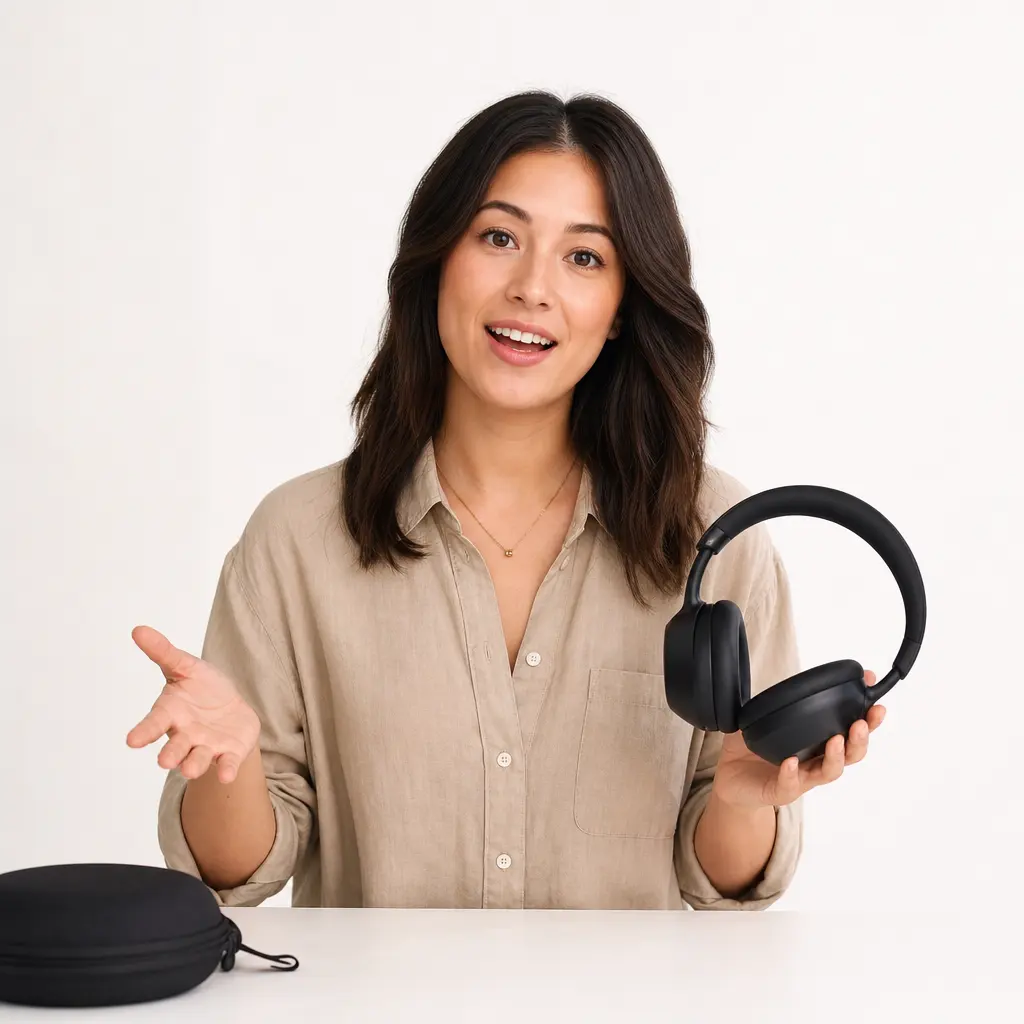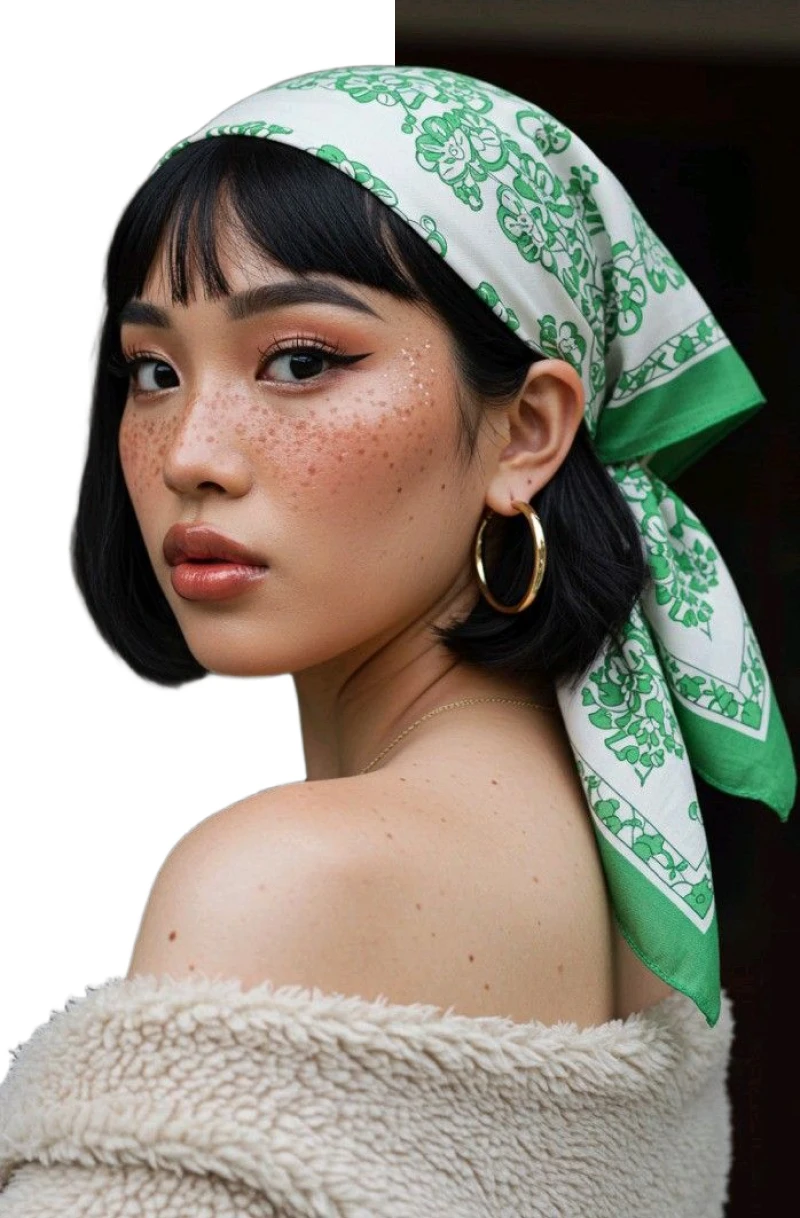


Fine edges during movement
Compare frames where hair, hands, or clothing move quickly against the scene.
Use this clip comparison to review hair, hands, overlap, and blur across changing frames.
Upload a clip, process the original scene, and review moving edges throughout the result.
MP4, MOV, M4V, or MKV — up to 100 MB. Processing and edge quality vary with the clip.
Upload a clip, process the original scene, and review moving edges throughout the result.
MP4, MOV, M4V, or MKV — up to 100 MB. Processing and edge quality vary with the clip.
Motion-edge inspection
A single preview can miss motion blur, occlusion, or an edge that changes later in the clip.
Compare frames where hair, hands, or clothing move quickly against the scene.
Use this clip comparison to review hair, hands, overlap, and blur across changing frames.
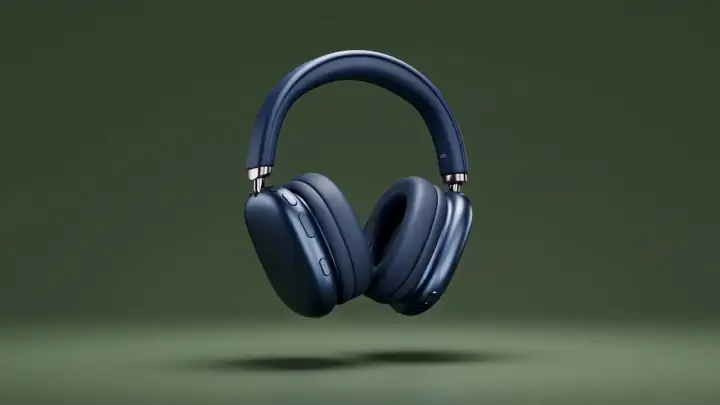
Inspect moments when an object crosses the subject or the source becomes soft.
Use this clip comparison to review hair, hands, overlap, and blur across changing frames.
Motion can reveal boundary problems that a single preview frame hides.
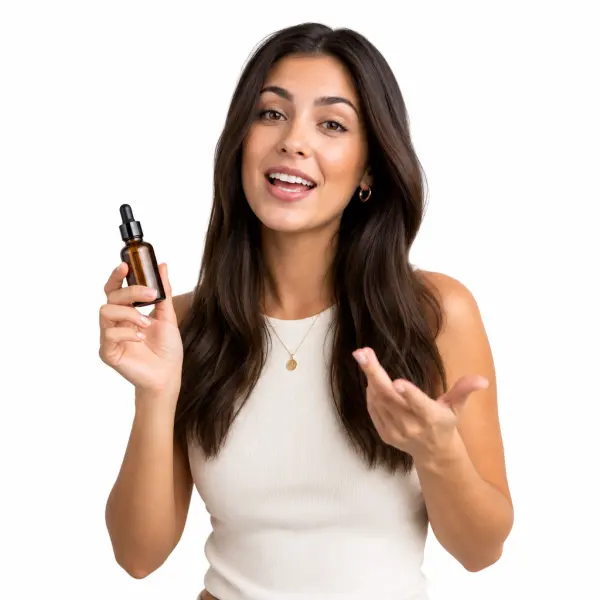
Review fine strands and quick gestures across multiple frames.

Check where clothing or objects blend into the original scene.

Inspect soft edges and blocky source detail throughout the clip.
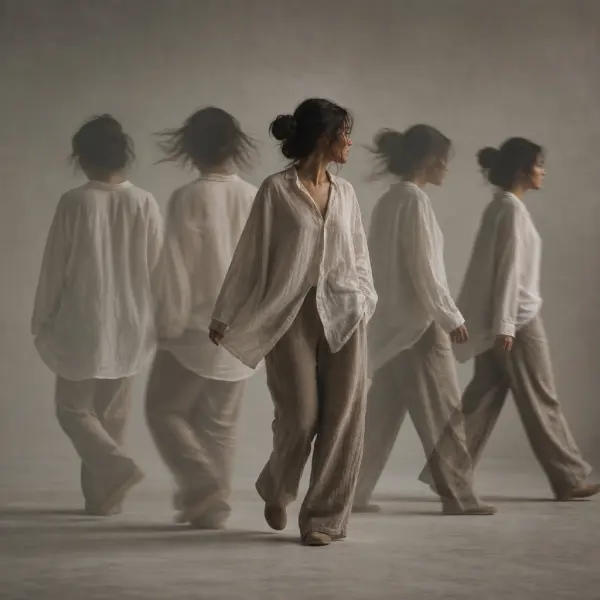
Review frames around pans or cuts where subject separation can change suddenly.
Review changes over time before continuing to a replacement background.
Confirm the subject is isolated from the start through the end.
Inspect edges during gestures, turns, and movement.
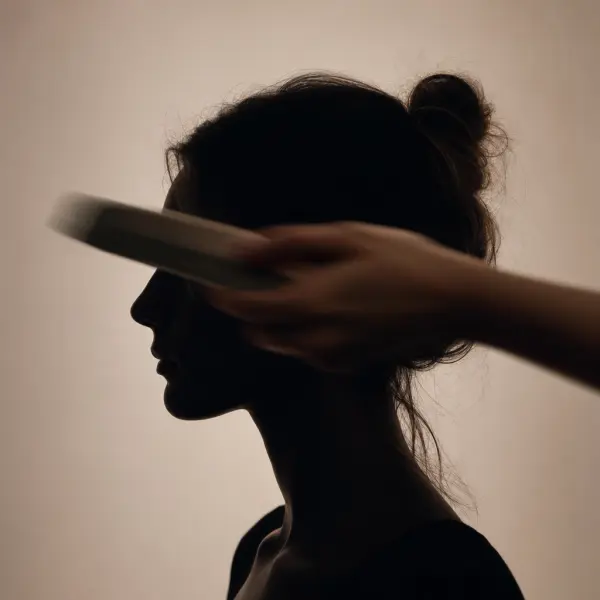
Check moments when hands or objects cross the subject.
Inspect moving strands and fabric at several points instead of judging one paused frame.
Supported clip formats, changing edges, occlusion, and the intended next step all affect review.
Upload a supported video up to 100 MB.
Current scope
Inputs
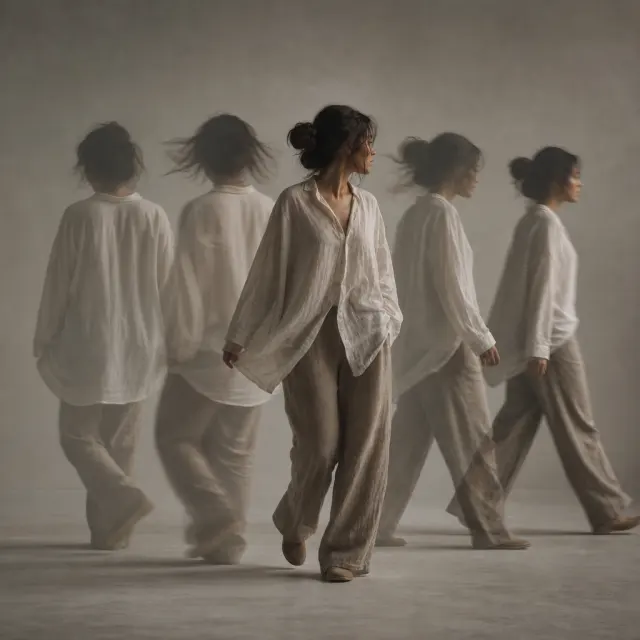
Inspect motion across the entire clip.
Current scope
Review
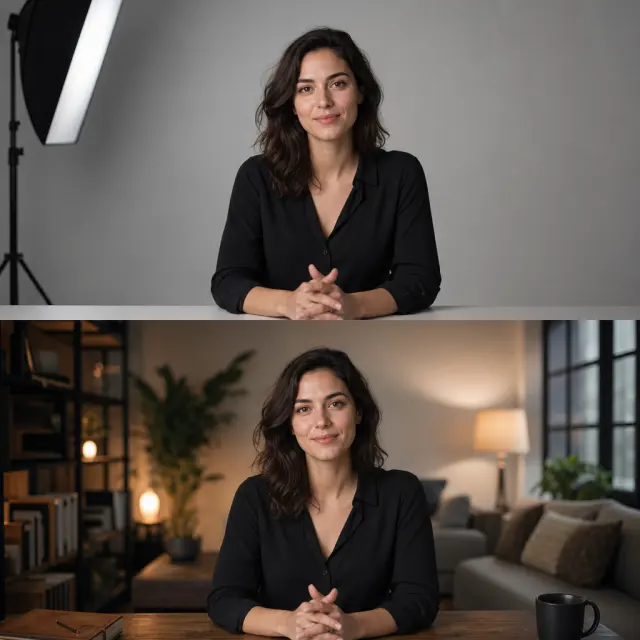
Use the replacement page when a new scene is the goal.
Current scope
Next step
Before you open the workspace, these checkpoints explain where the online tool fits, what file and quality limits to expect, and how uploads are handled.
Uploaded photos and videos are processed for the requested background edit, then removed from active processing storage after the result is generated.
Current scope
Temporary processing
Use JPG, PNG, WebP, MP4, or MOV files depending on the workflow. Very low-resolution sources, heavy blur, or extreme motion can limit final edge quality.
Current scope
Format-aware exports
The AI workspace is best for fast, repeatable background edits; manual Photoshop-style masking still helps when a file needs pixel-level art direction.
Current scope
Faster than manual masking
Product photos, portraits, passport-style images, and short clips work best when the subject is clear, well lit, and not heavily obstructed.
Current scope
Use-case fit check
Start free, choose a recurring plan for steady production, or buy credits when you only need a few clean white-background exports.
Answers cover formats, size, motion blur, changing edges, still-image routing, and replacement options.
Upload the supported clip, process it, and inspect motion at multiple moments before continuing.
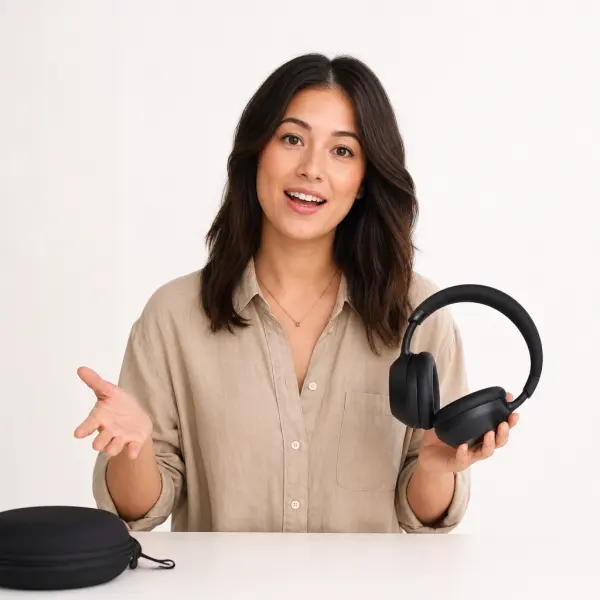
Choose an MP4, MOV, M4V, or MKV file up to 100 MB.
Let the video workflow isolate the moving subject.
Inspect edges through motion, blur, and occlusion before continuing.
Open the video workspace and review moving boundaries throughout the processed clip.